End of Tenancy Cleaning in W5: A Practical, High-Standard Approach to Moving Out
Moving home is exciting, but it can also be stressful, especially when you need to leave your rented property in spotless condition. End of tenancy cleaning in W5 is one of the most important tasks tenants face before handing back the keys. Whether you are moving out of a flat near Ealing Broadway, a family home close to Pitshanger, or a shared property somewhere in the W5 postcode, a thorough clean can make a major difference to your moving experience.
Landlords and letting agents usually expect the property to be returned in the same condition as when the tenancy began, allowing for fair wear and tear. That means kitchens, bathrooms, carpets, appliances, and hard-to-reach areas all need special attention. A carefully planned end of tenancy cleaning W5 service helps reduce the risk of deductions and gives you a cleaner, smoother transition.
In this article, we will explore what end of tenancy cleaning involves, why it matters, what areas need the most attention, and how tenants in W5 can prepare effectively. You will also find practical cleaning tips, common mistakes to avoid, and useful reasons why professional support is often the smartest option. If you are preparing to move, this is the right time to book your service now or begin planning a proper deep clean.
What End of Tenancy Cleaning in W5 Really Means

End of tenancy cleaning in W5 is a detailed deep-cleaning process carried out when a tenant is moving out of a rental property. It goes far beyond routine cleaning and focuses on restoring the home to a high presentational standard. The aim is not only to make the property look tidy, but to ensure that hidden dirt, grime, and buildup are removed from key areas.
This type of cleaning normally includes the kitchen, bathroom, living spaces, bedrooms, hallways, skirting boards, internal windows, appliances, and floor surfaces. In many cases, tenants also arrange carpet cleaning, upholstery cleaning, or specialist treatment for ovens and extractor fans. The exact level of cleaning needed may depend on the tenancy agreement, the condition of the property, and the expectations set by the landlord or letting agent.
For many renters, the phrase end of tenancy cleaning W5 means one thing above all: peace of mind. When the job is done properly, you can leave the property confidently, knowing that you have met your obligations and improved your chances of receiving the full deposit back.
Why Tenants in W5 Need a Thorough Exit Clean
W5 is a busy and highly desirable part of West London, with a wide mix of rental properties including modern apartments, terraced houses, mansion blocks, and shared homes. Because the area attracts professionals, families, students, and commuters, the rental market can be competitive. This means landlords often expect a high standard at the end of a tenancy.
A professional-style end of tenancy cleaning in W5 is important because it helps protect your deposit and demonstrates that you have respected the property. Even if you have kept the home reasonably tidy during your stay, normal daily cleaning is usually not enough when moving out. Deep grease in the kitchen, soap residue in bathrooms, dust behind radiators, and marks on doors or walls can all affect the final inspection.
There is also the practical side. Moving day involves packing, arranging transport, changing addresses, and handling utility matters. Trying to do a full deep clean at the same time can be overwhelming. That is why many tenants choose a focused cleaning plan or hire specialist help for end of tenancy cleaning W5 before the final check-out.
Key Areas Covered in End of Tenancy Cleaning W5
Every property is different, but a strong cleaning plan usually covers the entire home from top to bottom. Below are the most important areas typically included in end of tenancy cleaning W5 services:
- Kitchen: ovens, hobs, extractor fans, cupboards, splashbacks, sinks, taps, counters, floors, and appliance exteriors
- Bathrooms: toilets, sinks, showers, baths, tiles, mirrors, glass screens, taps, vents, and flooring
- Bedrooms and living rooms: dusting, cobweb removal, skirting boards, switches, doors, handles, and furniture surfaces
- Hallways and stairs: banisters, handrails, corners, marks on walls, and floor edges
- Windows and frames: internal glass, ledges, sills, and accessible frames
- Floors: vacuuming, mopping, stain treatment, and carpet care where needed
Some properties in W5 may also require attention to balconies, utility rooms, storage cupboards, and conservatories. The cleaner the property appears during inspection, the better the overall result is likely to be. A properly organised end of tenancy cleaning in W5 should never overlook the details.
If you are preparing the home yourself, it helps to work room by room and use a checklist. This makes it easier to stay focused and ensures nothing important is missed during the final clean.
Kitchen Cleaning: The Most Demanding Part of the Job
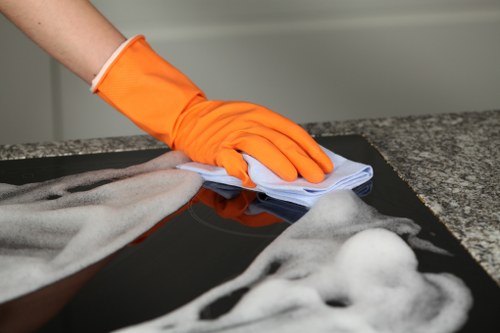
The kitchen is often the hardest room to clean at the end of a tenancy because it gathers grease, food residue, limescale, and hidden dirt over time. In many cases, the oven is the biggest challenge. Burnt-on food, grease layers, and smoke stains can take significant effort to remove. For this reason, end of tenancy cleaning W5 often places special emphasis on oven degreasing and appliance detailing.
A thorough kitchen clean should include internal and external surfaces of cupboards, the fridge and freezer if they are part of the tenancy, the microwave, sink basin, taps, plugholes, worktops, backsplash tiles, and floor edges. It is also important to clean under and behind appliances where accessible. Even if a room looks clean at first glance, hidden grease and dust can still be noticed during inspection.
To improve results, tenants should empty and defrost appliances in advance, remove all food items, and clear shelves before cleaning begins. This simple preparation saves time and makes the entire end of tenancy cleaning W5 process more efficient.
Useful kitchen priorities
- Remove all items from cupboards and drawers.
- Degrease the hob, extractor, and backsplash.
- Clean inside and outside of the oven.
- Wipe high-touch areas such as handles and switches.
- Polish sink taps and remove limescale.
Bathroom Standards That Matter During a Move-Out

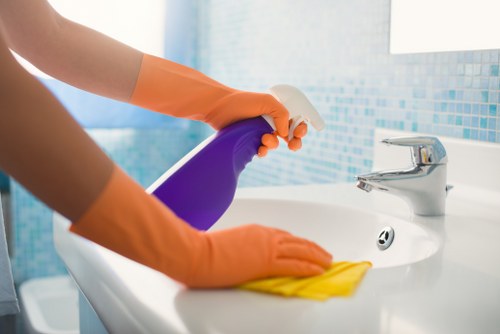
Bathrooms are another major focus during end of tenancy cleaning in W5. They can quickly show signs of wear through soap scum, mould spots, limescale, and hard-water marks. Shower screens, tile grout, toilet bases, and sink fittings often require detailed work to look fresh again. Since bathrooms are inspected closely, they should never be rushed.
A complete bathroom clean normally includes descaling the taps and shower head, scrubbing the toilet inside and out, polishing mirrors, cleaning the bath and shower tray, removing soap residue, and wiping down cabinets or shelves. Vent covers and extractor fans are also worth checking because dust can collect there over time. A well-finished bathroom creates a strong impression and supports a successful handover.
For tenants handling their own end of tenancy cleaning W5, it is useful to use strong but safe limescale removers, a disinfectant, microfiber cloths, and a non-abrasive sponge. Avoid leaving streaks on mirrors and glass because these small details can make a big difference in the final appearance.
Bathroom cleaning checklist
- Descale taps, shower fittings, and tiles
- Scrub the toilet bowl, seat, and base
- Remove mould spots where possible
- Clean mirrors and glass panels
- Wipe skirting boards, vents, and shelves
Living Areas, Bedrooms, and Hallways: Do Not Miss the Details

Although kitchens and bathrooms often demand the most effort, living spaces and bedrooms still matter a great deal during end of tenancy cleaning W5. Dust, smudges, and everyday marks can build up on doors, skirting boards, light switches, and window ledges. These areas may not be dirty in a dramatic way, but they still affect the overall presentation of the property.
Living rooms and bedrooms should be dusted thoroughly, vacuumed carefully, and checked for cobwebs in corners and around ceiling fittings. If the tenancy includes wardrobes, shelves, or built-in storage, these areas need to be emptied and wiped inside. Hallways and stairs should also be cleaned well because they are high-traffic zones that often show signs of wear.
In many W5 homes, natural light highlights dust and marks more easily than tenants expect. That is why a detailed approach is essential. A successful end of tenancy cleaning in W5 is not only about the obvious mess; it is about the smaller details that can influence the landlord’s final opinion.
How Carpet and Upholstery Cleaning Can Help
Carpets often require extra attention, especially in rented homes where foot traffic, spills, and dust are common. Many landlords expect carpets to be vacuumed thoroughly at minimum, while some tenancy agreements request professional carpet cleaning before move-out. In properties with visible stains or pet hair, deeper treatment is usually the best approach.
Upholstered furniture, if included in the tenancy, may also need surface cleaning and deodorising. Fabric sofas, dining chairs, and mattresses can trap dust and odours over time. This is one reason end of tenancy cleaning W5 often includes related fabric care services. Clean textiles improve the entire feel of a room and help the property look ready for the next occupant.
Before booking any specialist treatment, tenants should check their agreement carefully. Some contracts specifically require steam cleaning or proof of professional treatment, while others only require the property to be left in a clean condition. Either way, dealing with flooring and upholstery can significantly improve move-out results.
Benefits of extra floor care
- Improves the appearance of the property
- Helps remove trapped dust and odours
- Supports a better inspection outcome
- Can reduce the chance of cleaning disputes
Preparing for End of Tenancy Cleaning in W5
Good preparation can make the entire process easier and more effective. Before you begin end of tenancy cleaning in W5, it is sensible to organise your move so that the property can be cleaned without obstacles. Packing should ideally be completed first, leaving the home empty and accessible. This allows cleaners or tenants to reach hidden areas and complete the job properly.
It is also smart to gather the correct supplies in advance. You may need disinfectant, limescale remover, oven cleaner, microfiber cloths, a mop, a vacuum, glass cleaner, gloves, and a sponge suitable for stubborn marks. If you are hiring help, make sure you discuss the expected condition of the property before the appointment so there are no surprises.
Another practical step is to take photographs before and after cleaning. These images can be helpful if any dispute arises later. They also give you a record of the work completed, which can be reassuring at the end of a busy tenancy.
Preparation tips before cleaning day
- Remove personal belongings from every room.
- Defrost the fridge and freezer if necessary.
- Report any pre-existing damage to the landlord.
- Check the tenancy agreement for special cleaning clauses.
- Plan enough time for a deep clean without rushing.
Common Mistakes Tenants Make
Even well-intentioned tenants can make mistakes when handling end of tenancy cleaning W5. One common error is underestimating how long the task takes. A proper deep clean can take several hours or even a full day depending on property size and condition. Leaving it until the last minute often leads to rushed work and missed spots.
Another mistake is forgetting the less visible details. Dust behind radiators, marks on doors, grease on top of kitchen cabinets, and dirt in extractor fans are often overlooked. Landlords and agents notice these areas more often than people expect. Similarly, using the wrong cleaning products can damage surfaces or leave residue behind, which may create more problems than it solves.
Some tenants also assume that a quick vacuum and surface wipe will be enough. In reality, end of tenancy cleaning W5 typically requires more effort than standard weekly cleaning. The safest approach is to work methodically, follow a checklist, and focus on consistency throughout the property.
Professional Cleaning Versus DIY Cleaning
Many tenants wonder whether they should clean the property themselves or hire professionals. Both options can work, but the right choice depends on time, energy, and the condition of the home. DIY cleaning may be suitable for smaller properties or tenants who have a lot of time before moving day. It can also be cost-effective if the property is relatively well maintained.
However, professional support can be a major advantage when the property requires a deep clean or when the tenant wants to save time and stress. Experienced cleaners usually know how to deal with stubborn grime, layered dirt, and problem areas more efficiently. For busy tenants, end of tenancy cleaning in W5 can be the easiest way to meet expectations and focus on the move itself.
When comparing options, think about the size of the property, the cleaning standard required, and whether special tasks such as oven cleaning or carpet treatment are needed. A balanced decision often leads to the best outcome.
When professional help makes sense
- If the tenancy agreement has strict cleanliness requirements
- If the property has not been deep cleaned for a long time
- If there are carpets, upholstery, or appliances needing specialist care
- If you are short on time during the move
- If you want a more reliable final presentation
How End of Tenancy Cleaning Supports Deposit Return
One of the biggest reasons people arrange end of tenancy cleaning W5 is to improve the likelihood of getting the deposit back in full. While no cleaning service can guarantee a refund, a well-cleaned property lowers the chance of disputes over dirt, stains, or neglected areas. In deposit negotiations, presentation matters.
Letting agents usually inspect the property carefully, comparing its condition to the original inventory and check-in report. If the home is clean, tidy, and properly maintained, there is less room for deductions related to cleaning. That is why many tenants treat end of tenancy cleaning as an investment rather than just another expense.
It is important to remember that fair wear and tear is different from neglect. Normal use of a property is expected, but dirt buildup, food residue, and uncleaned surfaces are usually avoidable. A complete end of tenancy cleaning in W5 helps demonstrate responsibility and can make the final inspection far less stressful.
Local Rental Expectations in W5
W5 includes a wide range of rental styles and standards, so expectations can vary from property to property. In well-presented apartments and managed homes, the level of cleanliness required may be particularly high. In older houses, the focus may be on removing years of built-up dirt and making the space presentable for the next tenant. Regardless of property type, attention to detail is always important.
The local rental market in W5 is often fast-moving, which means landlords want homes ready for reoccupation without delays. This makes end of tenancy cleaning in W5 especially valuable because a polished property can move through inspection, inventory, and handover more smoothly. If the space looks cared for, the process tends to be simpler for everyone involved.
Tenants who understand these expectations are usually better prepared. By focusing on thoroughness, organisation, and proper cleaning methods, you can finish your tenancy on the right note.
Practical Tips for a Better Cleaning Result
There are several simple ways to improve the outcome of end of tenancy cleaning W5. Start from the top of each room and work your way down so dust and debris do not fall onto already cleaned areas. Use microfiber cloths where possible because they capture dust effectively and reduce streaking. Pay extra attention to edges, corners, and behind furniture.
It is also useful to ventilate rooms during and after cleaning, especially if strong products are used. Fresh air can help reduce odours and speed up drying. For shiny surfaces like glass, chrome, and mirrors, a final polish at the end can make a noticeable difference. Small finishing touches often separate a standard clean from an impressive one.
If you are short on time, focus first on the most important rooms: kitchen, bathroom, and main living areas. Then move to bedrooms, hallways, and storage spaces. This approach keeps the process organised and ensures the highest-impact areas are treated properly.
Quick success checklist
- Clean room by room, not randomly
- Use suitable products for each surface
- Leave no visible dust or grease
- Check under appliances and behind doors
- Finish with a final inspection walk-through
Final Thoughts on End of Tenancy Cleaning in W5
Moving out can feel hectic, but a structured approach to end of tenancy cleaning in W5 can make the transition much easier. When the property is cleaned carefully, the final inspection becomes less stressful, the home looks better for the next occupant, and you stand a stronger chance of protecting your deposit. From kitchens and bathrooms to carpets and skirting boards, every area deserves proper attention.
Whether you choose to clean the property yourself or arrange professional support, the key is thoroughness. Plan early, prepare well, and do not leave the hard-to-reach details until the end. A careful clean is one of the simplest ways to finish a tenancy with confidence.
If you are getting ready to move, now is the ideal time to contact us today and book your service now. A well-organised end of tenancy cleaning W5 service can help you save time, reduce stress, and leave your rental in excellent condition.