Facade Cleaning in W5: Keep Your Property Looking Smart, Safe, and Well Maintained
Why facade cleaning in W5 matters for every property

Facade cleaning in W5 is about far more than making a building look neat for passersby. In one of London’s most active and visually varied areas, building exteriors face a constant mix of weather, traffic pollution, dust, bird droppings, algae, and general urban grime. Over time, these contaminants settle onto brick, stone, glass, render, metal, and cladding, dulling the appearance of a property and potentially affecting the materials beneath the surface.
Whether a property is residential, commercial, or mixed-use, facade cleaning in W5 helps preserve curb appeal and protect long-term value. A clean exterior sends an immediate message of care and professionalism. For landlords, homeowners, business owners, and property managers, that impression can influence everything from tenant interest to customer confidence.
In addition, exterior cleaning supports the condition of the building itself. Staining, moss, lichen, and pollutant buildup can trap moisture, increase surface wear, and make minor defects more visible. Regular facade cleaning in W5 can reduce those risks and help keep walls, windows, and exterior features in stronger condition for longer.
What facade cleaning in W5 includes
Facade cleaning in W5 is not a one-size-fits-all service. Different buildings require different methods depending on the surface type, height, age, and level of contamination. The right approach balances effective cleaning with careful surface protection, which is especially important on older or more delicate structures.
Common facade cleaning methods include pressure washing, soft washing, steam cleaning, chemical cleaning, and specialist access-based cleaning for taller or harder-to-reach areas. The aim is always to remove dirt and staining efficiently while avoiding damage to the building materials.
Typical surfaces treated during facade cleaning in W5 include brickwork, stone, painted render, concrete, metal panels, UPVC, curtain walling, and glazing. Each material responds differently to water pressure, detergents, temperature, and brushing techniques. That is why a professional assessment is so important before work begins.
Common exterior areas cleaned
- Front elevations and entrance walls
- Upper-storey cladding and signage surrounds
- Shopfronts and commercial glazing
- Balconies, ledges, and decorative features
- Boundary walls, pilasters, and stone detailing
The benefits of professional facade cleaning in W5

There are many practical and visual benefits associated with professional facade cleaning in W5. One of the most obvious is a refreshed appearance. A clean exterior immediately improves how a building is perceived, which is valuable in both residential streets and commercial areas where presentation matters.
Another major benefit is protection. Dirt, pollution, biological growth, and surface stains can contribute to deterioration over time. By removing these contaminants, facade cleaning in W5 can help reduce the likelihood of staining becoming permanent and may also support the longevity of paints, coatings, and sealants.
Professional cleaning can also assist with compliance and safety. For some properties, especially commercial sites and managed buildings, regular exterior cleaning helps maintain a tidy, orderly environment that aligns with health, safety, and maintenance expectations. Facade cleaning in W5 is therefore a practical investment as well as a cosmetic one.
Key advantages at a glance
- Improves street appeal and property image
- Helps prevent long-term surface deterioration
- Supports property value and tenant interest
- Removes algae, soot, moss, and pollution stains
- Creates a cleaner, more welcoming environment
Why buildings in W5 need regular exterior maintenance
W5 includes busy roads, residential neighborhoods, local businesses, and a wide range of property styles. That means exterior surfaces are exposed to different environmental pressures all year round. Traffic emissions, airborne particles, rainwater runoff, and shaded damp areas can all combine to create staining and discoloration.
In many cases, properties in W5 also feature older brickwork or traditional finishes that need extra care. These buildings may look robust, but the wrong cleaning method can leave marks, erode mortar, or weaken a surface finish. This is why choosing the right facade cleaning in W5 approach matters so much.
Routine maintenance is usually more effective and more cost-efficient than waiting until staining becomes severe. Addressing grime early makes facade cleaning in W5 quicker, gentler, and often more affordable. It also helps property owners avoid larger remediation work later on, which may involve repainting, repointing, or surface restoration.
Factors that accelerate facade staining
- Heavy road traffic and exhaust residue
- Frequent rainfall and damp shading
- Nearby trees and organic debris
- Bird droppings on ledges and signage
- Neglected gutters or poor drainage
Choosing the right facade cleaning method
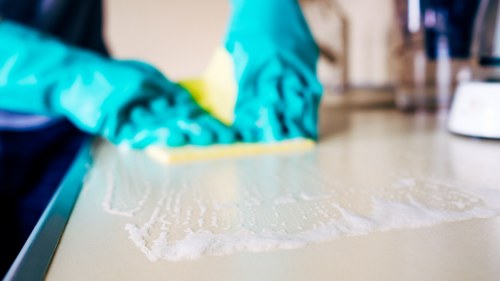
The best facade cleaning in W5 depends on the surface and the type of dirt being removed. A method that works well on modern cladding may be completely unsuitable for historic brick or fragile render. That is why experienced exterior cleaners usually assess the material first and then choose the safest effective process.
Pressure washing is often used for harder surfaces such as concrete, paving, and some brickwork, but it must be applied carefully. Excessive pressure can damage mortar joints, force water into the wall, or leave a patchy finish. By contrast, soft washing uses low pressure and specialist cleaning solutions to dissolve grime and biological growth more gently.
Steam cleaning is another useful option for certain projects because it can remove dirt with minimal chemical use and controlled water pressure. For sensitive or historic facades, a tailored approach may be needed, often involving a combination of methods. In all cases, effective facade cleaning in W5 begins with proper inspection and surface testing.
Popular methods explained
- Soft washing: Low-pressure cleaning with detergents for delicate surfaces
- Pressure washing: High-power cleaning for sturdier materials
- Steam cleaning: Heat-based cleaning for controlled, careful removal
- Chemical treatment: Targeted stain removal for stubborn marks
- Manual cleaning: Brush and wash techniques for detailed areas
Facade cleaning for residential properties in W5
Homeowners often notice the benefits of facade cleaning in W5 as soon as the work is complete. A cleaner exterior can make an entire property feel brighter and better cared for, especially if the frontage has become stained with algae, dust, or traffic residue. This is particularly noticeable on front walls, rendered finishes, bay windows, and decorative stonework.
For residential buildings, the main concerns are usually preserving the surface and avoiding disruption. A professional service will work carefully around entrances, driveways, gardens, and adjoining homes. Good planning helps ensure that facade cleaning in W5 is completed with minimal inconvenience while still achieving strong visual results.
Regular cleaning also supports home maintenance. By removing grime early, property owners reduce the chance of embedded staining and damp-related discolouration. This can make future decorating or repair work easier and may also help maintain the property’s overall condition and appearance for years to come.
Residential exterior features commonly cleaned
- Front elevations and porches
- Brick boundary walls
- Rendered garden walls
- Window surrounds and lintels
- Driveway-facing side elevations
Facade cleaning in W5 for commercial and retail properties

Commercial properties depend heavily on first impressions. A shopfront, office building, hospitality venue, or healthcare facility with a dirty exterior can appear neglected even if the interior is spotless. Facade cleaning in W5 helps businesses maintain a professional image that reflects care, reliability, and attention to detail.
For retail and customer-facing sites, clean glazing, signage, entrance walls, and architectural features can directly influence footfall and brand perception. A building exterior is part of the customer experience, and a bright, well-maintained frontage creates a more welcoming environment from the outset.
Businesses often schedule facade cleaning in W5 outside trading hours or during quieter periods to minimise disruption. Flexible service planning makes it easier to keep entrances clear and operations running smoothly while exterior maintenance takes place. In busy urban settings, that convenience is a major advantage.
Benefits for business properties
- Improves customer confidence
- Supports brand presentation
- Reduces visible pollution staining
- Helps maintain leased or managed premises
- Creates a more polished, professional frontage
Safety, access, and planning for facade cleaning in W5
Many properties in W5 require safe access planning before cleaning begins. Depending on the building height and layout, facade cleaning may involve ladders, cherry pickers, mobile elevated work platforms, rope access, or scaffold-based systems. The chosen method should always match the site conditions and the level of access required.
Safety matters not only for the operatives carrying out the work, but also for occupants, pedestrians, and nearby properties. Good site setup helps manage overspray, protect landscaping, and keep the surrounding area safe. When done properly, facade cleaning in W5 should feel organized, controlled, and professionally managed.
Planning is also important for water use, drainage, and waste runoff. Some surfaces may release debris, cleaning solution, or contaminated water during the process. Responsible facade cleaning in W5 includes steps to reduce mess and protect nearby surfaces, especially where run-off could affect gardens, walkways, or shared access points.
Important planning considerations
- Height and access requirements
- Type of facade material
- Weather conditions on the day
- Nearby pedestrians and vehicles
- Potential need for protective coverings
How weather and pollution affect building exteriors

Weather plays a significant role in how quickly a facade becomes dirty. Rain can leave streaking and deposit airborne particles onto walls, while wind drives dust and pollution into textured surfaces. Damp, shaded areas often support algae and moss growth, especially on north-facing elevations or buildings surrounded by trees.
In a busy London district, pollution is another major factor. Vehicle emissions, soot, and fine particulate matter can settle on surfaces and create a grey, dull appearance. Over time, these pollutants may become more difficult to remove, which is why regular facade cleaning in W5 is such a smart maintenance step.
Different materials respond in different ways. For example, porous brick and stone may absorb staining more readily than glass or metal, while painted render can show streaking and patchiness if not cleaned carefully. Understanding these differences is essential to successful facade cleaning in W5 and to preserving the original finish for as long as possible.
Common exterior contaminants
- Traffic film and exhaust residue
- Rainwater streaking
- Algae, moss, and lichen
- Bird droppings
- General dust and airborne debris
How often should facade cleaning in W5 be scheduled?
The ideal frequency depends on the property type, location, and amount of exposure to dirt and moisture. A busy commercial frontage in central W5 may need more frequent attention than a quieter residential street with less traffic exposure. Still, many buildings benefit from annual or biannual assessment, even if full cleaning is not always necessary.
For properties with persistent staining, regular facade cleaning in W5 can stop dirt from settling in long-term. This is especially useful for buildings with textured materials, decorative details, or areas that stay damp for extended periods. A maintenance-based approach keeps the exterior consistently presentable and easier to manage.
Rather than waiting for visible buildup to become severe, property owners should monitor the condition of the exterior throughout the year. If surfaces begin to look patchy, green, dull, or streaked, it may be time to arrange facade cleaning in W5 before the issue becomes harder to correct.
Signs a building may need cleaning
- Visible green or black algae growth
- Grey pollution film on the frontage
- Water staining or runoff marks
- Discoloration around windows and ledges
- Loss of brightness or visual definition
Why professional expertise makes a difference
Although some property owners may consider exterior cleaning a simple task, facade cleaning in W5 requires experience, care, and the right equipment. Incorrect pressure, unsuitable detergents, or poor access planning can cause more harm than good. Professional cleaners understand how to match the cleaning method to the facade material and the level of contamination.
Specialist expertise is particularly valuable when dealing with older buildings, decorative masonry, or surfaces that have already been repaired or painted. A knowledgeable team will know when to use a gentle process, when to test a small area first, and how to deliver results without compromising the building’s condition.
Professional facade cleaning in W5 also saves time. Instead of dealing with trial and error, property owners benefit from an efficient process designed to produce consistent results. That combination of skill and efficiency is one reason why many people choose expert exterior cleaning rather than attempting the work themselves.
What experience brings to the job
- Better material protection
- More effective stain removal
- Reduced risk of damage
- Cleaner, more even finishes
- Improved project planning and efficiency
Preparing a property for facade cleaning in W5
Preparation can make facade cleaning in W5 smoother and more effective. In many cases, this involves clearing access points, moving vehicles if necessary, and identifying any fragile exterior features that need extra protection. Good preparation helps the cleaning team work efficiently and reduces the chance of unnecessary interruptions.
It is also helpful to review the condition of the building before work starts. Cracked render, loose pointing, damaged sealant, or leaking gutters should be identified in advance where possible. While cleaning can improve appearance, it should not be used to hide a repair issue that needs separate attention.
Once the site is prepared and the method is agreed, the cleaning process can begin with greater precision. This structured approach is one of the reasons facade cleaning in W5 delivers stronger, longer-lasting results when handled professionally. Book your service now if your property is ready for a fresh exterior finish.
Simple preparation checklist
- Clear access to walls and entrances
- Protect delicate items nearby
- Check for visible damage before cleaning
- Agree on the preferred cleaning method
- Plan timing to limit disruption
Long-term value of facade cleaning in W5
One of the biggest advantages of facade cleaning in W5 is long-term value. A building that is properly maintained tends to look better, feel better cared for, and avoid some of the more expensive issues associated with neglected exteriors. Clean surfaces are easier to inspect, which also means problems such as cracks, leaks, or deterioration may be spotted sooner.
For property owners thinking ahead, regular facade cleaning in W5 is a sensible maintenance habit rather than an occasional luxury. It protects appearance, supports material longevity, and contributes to a healthier exterior environment. That matters whether the property is a family home, a rental building, or a commercial investment.
In a competitive area, visual presentation has real value. A clean exterior can help a property stand out for the right reasons, making it more attractive to visitors, buyers, tenants, and customers. If your building is starting to look tired, contact us today to take the first step toward a cleaner and more polished facade.
Why regular cleaning pays off
- Preserves appearance over time
- Helps reduce avoidable repairs
- Supports property marketability
- Improves how the building is experienced daily
- Maintains a stronger overall impression
Final thoughts on facade cleaning in W5
Facade cleaning in W5 is an essential part of keeping a property attractive, safe, and well maintained. From removing pollution and biological growth to restoring brightness and curb appeal, the benefits go well beyond appearance. With the right method and professional care, exterior cleaning can protect surfaces while improving the overall look of the building.
Every property is different, which is why tailored cleaning matters. Brick, render, stone, glass, and cladding all require a specific approach if the best results are to be achieved. When handled properly, facade cleaning in W5 enhances both the immediate presentation and the longer-term condition of the property.
Whether you manage a commercial frontage, own a family home, or maintain a multi-unit building, now is a smart time to consider exterior upkeep. Contact us today and book your service now to keep your facade looking its best throughout the year.